Source Stainless Steel Moka Pot for Home Brewing, Office Use, and Travel
Explore 30 listings for the stainless steel moka pot, comparing features like thermal insulation, eco-friendly design, and volume options ranging from 100ml to 300ml. Buyers can evaluate suppliers based on material composition, MOQ flexibility, and packaging details for bulk procurement.
Key considerations
Products List


Comprehensive Sourcing Guide
Strategic Sourcing Guide for Stainless Steel Moka Pots
The global market for coffee brewing equipment has seen a significant shift toward durable, reusable, and aesthetically versatile brewing vessels. Among these, the stainless steel moka pot has emerged as a critical category for B2B buyers seeking to balance performance, longevity, and cost-efficiency. Unlike traditional aluminum variants, stainless steel models offer superior corrosion resistance and structural integrity, making them ideal for commercial hospitality, retail distribution, and corporate gifting programs. This guide provides a comprehensive framework for sourcing these products, grounded in observed market data and technical specifications. Buyers must navigate a landscape defined by diverse material compositions, variable capacity ranges, and distinct manufacturing origins to ensure their procurement strategy aligns with operational requirements.
Technical Specifications and Material Composition
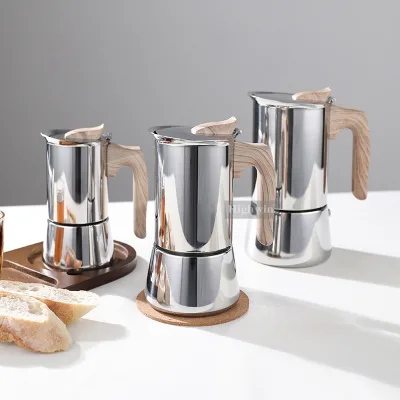
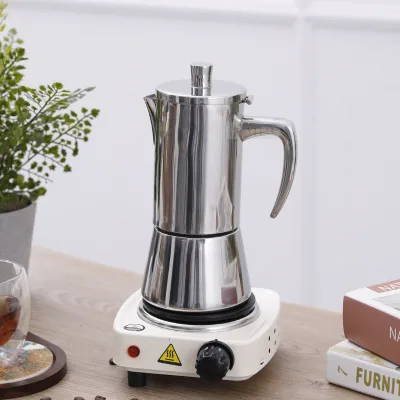
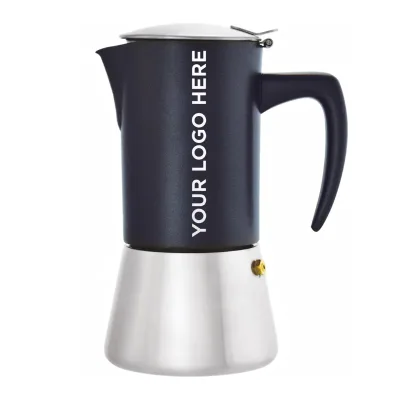
Understanding the technical architecture of a stainless steel moka pot is the first step in defining a precise procurement specification. The core body material is consistently identified as stainless steel, often specifically grade 304 in high-quality listings, which provides excellent resistance to rust and chemical reactions with acidic coffee oils. However, the construction is rarely monolithic. A comprehensive analysis of available products reveals a composite approach where the body material is paired with other components to enhance functionality. For instance, high-performance models utilize an aluminum alloy base for superior heat conductivity, combined with stainless steel upper chambers and walnut or ABS plastic handles for thermal insulation and user safety.
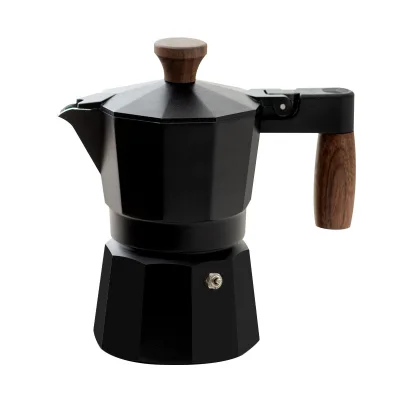
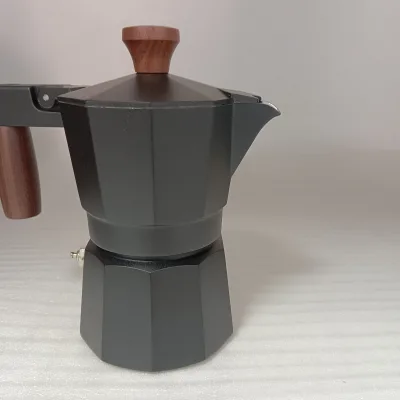
The volume capacity is a primary differentiator in this category. Market observations indicate a wide range of capacities, from small 100ml units suitable for single servings to 300ml versions designed for small groups. Specific listings highlight capacities of 150ml, 200ml, and 300ml, with some products explicitly categorized under a general capacity of less than 300ml. This variability requires buyers to define their target demographic clearly; a 100ml pot is often marketed for individual use, while 300ml models are better suited for the "1-3 person" usage bracket frequently cited in product attributes. The shape is typically described as "Italian Type" or "Contemporary," reflecting the classic octagonal or cylindrical silhouettes that define the moka pot aesthetic. The color palette is generally restricted to silver, black, or white, with some models offering a dual-tone finish to match modern kitchen environments.
Compliance, Certification, and Safety Standards
While the product listings emphasize features such as "Eco-Friendly" and "Stocked" availability, explicit certification data remains a critical area for verification. Buyers should be aware that while some background standards like EN13248 are referenced in the broader industry context, specific compliance status for individual SKUs cannot be assumed without direct supplier confirmation. The absence of a declared certification in a product listing does not necessarily indicate non-compliance, but it does necessitate a rigorous due diligence process.
Procurement teams must verify that the stainless steel used meets food-grade safety standards. The mention of "304 Stainless Steel" in specific product attributes suggests a baseline for food contact safety, but this must be validated against the destination market's regulatory requirements. Furthermore, the use of ABS plastic in handle and lid components requires verification that the plastic type is heat-resistant and free from harmful leaching agents. Since the product attributes list "Ceramic Type: NO," buyers can be certain these are metal-based vessels, eliminating concerns regarding ceramic glaze lead content. However, the "OEM" branding and "Highly Welcomed" OEM & ODM status indicate that many suppliers operate as contract manufacturers. In such cases, the buyer is responsible for ensuring that the final product meets the safety standards of the importing country, as the supplier may not hold certifications for every specific market they serve.
Cost Drivers and Pricing Dynamics
The pricing structure for stainless steel moka pots is highly variable, reflecting the complexity of the supply chain and the diversity of materials used. Observed price ranges in the market span from $2 to $3,800 USD. This extreme variance is not indicative of a single product line but rather a spectrum of offerings. The lower end of the price range likely corresponds to basic stainless steel models with minimal packaging and lower MOQs, while the upper end may include premium sets, bulk commercial orders, or highly customized OEM runs with extensive branding and packaging requirements.
Several factors drive these costs. The primary driver is the material composition; a pot made entirely of 304 stainless steel will inherently cost more than a hybrid model using aluminum alloy for the base. The complexity of the manufacturing process, including the welding of multiple chambers and the integration of heat-resistant handles, also influences the unit price. Additionally, the "Single package size" varies between 19x12x12 cm and 20x20x15 cm, affecting logistics costs. Buyers must consider that a lower unit price might be offset by higher shipping costs if the packaging is inefficient. The "Selling Units" are typically listed as "Single item," which simplifies inventory management but requires careful calculation of total landed costs.
Minimum Order Quantities and Supply Chain Flexibility
The Minimum Order Quantity (MOQ) is a critical constraint in the procurement of stainless steel moka pots. Market data reveals a significant disparity in entry thresholds, with observed MOQs ranging from 10 pieces to 500 pieces. This variation allows for a tiered sourcing strategy. Small retailers or startups may find suppliers with an MOQ of 10 pieces or even 1 piece, allowing for low-risk market testing. Conversely, large distributors or corporate clients seeking to establish a private label brand may encounter suppliers requiring an MOQ of 500 pieces to justify the setup costs for custom branding and packaging.
The "Delivery Day" for standard orders is noted as 35 days, which is a crucial metric for inventory planning. This lead time encompasses production, quality control, and initial shipping preparation. Buyers must account for this timeline when forecasting stock levels, especially for seasonal peaks. The "Place of Origin" is primarily identified as Shandong and Guangdong in China, two major manufacturing hubs known for metalworking and appliance production. The concentration of suppliers in these regions suggests a mature supply chain, but it also means that logistics planning should be tailored to shipping from these specific ports. The "Packing detail" often includes white or customized box packing, which adds flexibility for branding but may increase the MOQ or unit cost if custom artwork is required.
Supplier Evaluation and Quality Control Protocols
Evaluating suppliers for stainless steel moka pots requires a focus on their ability to deliver consistent quality across varying material compositions. The presence of "OEM" and "Yitai" as brand names in the data suggests a mix of private label and branded suppliers. When evaluating potential partners, buyers should prioritize those who demonstrate transparency regarding their material sourcing. A supplier claiming "304 Stainless Steel" should be able to provide mill test reports or third-party verification. The "Eco-Friendly" attribute is a common marketing claim; buyers should request evidence of this, such as recyclability certifications or sustainable manufacturing practices, rather than accepting it as a given.
Quality control should be a multi-stage process. First, verify the physical dimensions against the "Single package size" specifications (e.g., 20x12x12 cm vs. 19x19x10 cm) to ensure compatibility with logistics planning. Second, inspect the "Single gross weight," which ranges from 0.600 kg to 0.800 kg, to confirm that the product density matches the expected material thickness. A significant deviation in weight could indicate the use of lower-grade steel or hollow construction that compromises durability. Third, test the thermal insulation performance, as the "Air Pressure" bottle type relies on effective sealing and heat management to function correctly. Suppliers that welcome "OEM & ODM" services are often more flexible in accommodating specific quality control protocols, such as pre-shipment inspections or third-party lab testing for food safety.
Typical Applications and Market Segmentation
The versatility of stainless steel moka pots allows them to serve multiple market segments. The "Applicable people" attribute of "1-3" suggests these products are primarily designed for household use, small offices, or boutique cafes. The "Coffee & Tea Tools" and "Coffee & Tea Sets" categorization indicates that these pots are often sold as part of a broader collection, potentially including filters, grinders, or serving trays. The "Italian Type" and "Contemporary" styles appeal to consumers who value both traditional brewing methods and modern design aesthetics.
In the B2B context, these products are ideal for corporate gifting, hotel amenities, and retail distribution. The "Stocked" attribute implies that some suppliers maintain inventory for immediate shipment, which is beneficial for buyers needing quick turnaround times. However, for large-scale orders, the "35 days" lead time must be factored into the procurement cycle. The "Volume" range of 100ml to 300ml allows for a diverse product portfolio; a 100ml pot is perfect for a premium gift set, while a 300ml model is suitable for everyday household use. The "Color" options of silver, black, and white enable buyers to curate collections that match specific brand identities or interior design themes.
Long-Term Procurement Considerations
Sourcing stainless steel moka pots is not merely a transactional exercise but a strategic decision that impacts brand reputation and customer satisfaction. The "Eco-Friendly" nature of stainless steel aligns with growing consumer demand for sustainable products, reducing the reliance on disposable paper filters and single-use plastics. However, the long-term value depends on the durability of the product. Buyers should assess the "Metal Type" and "Body Material" to ensure the pot can withstand repeated heating cycles without warping or degrading. The integration of "Walnut" or "ABS" handles adds a layer of user safety but introduces potential points of failure if the materials are not heat-resistant.
Future-proofing the supply chain involves building relationships with suppliers who offer flexible MOQs and robust customization options. The ability to switch between "White/Customized Box Packing" and standard packaging allows buyers to adapt to changing market trends. Additionally, monitoring the "Place of Origin" and "Delivery Day" trends is essential for managing risks associated with geopolitical instability or logistical disruptions. By maintaining a clear understanding of the technical specifications, compliance requirements, and cost drivers, buyers can navigate the complex landscape of stainless steel moka pot sourcing with confidence and precision.
FAQs
What material is used for the body of stainless steel moka pots?
The body material is consistently stainless steel, often grade 304 for food safety. Some models combine this with aluminum alloy bases and walnut or ABS plastic handles for better heat management and user safety.
What capacity options are available for these coffee brewing vessels?
Available capacities range from 100ml to 300ml, with specific listings for 150ml, 200ml, and 300ml units. These sizes are suitable for 1-3 people, making them ideal for individual use or small groups.
Can I find moka pots with a minimum order quantity of 10 pieces?
Yes, some suppliers offer a minimum order quantity of 10 pieces for testing or small orders. Other vendors may require 500 pieces, so buyers must check specific supplier terms before placing an order.
What is the typical delivery time for these stainless steel coffee pots?
The standard delivery day is approximately 35 days for production and preparation. This timeline includes manufacturing, quality control, and packaging, which buyers should factor into their inventory planning.
Which styles are available for stainless steel moka pots?
Styles include Italian Type and Contemporary designs to suit different aesthetic preferences. Colors typically offered are silver, black, and white, often with customizable packaging options for branding purposes.
How do I verify the safety standards for these metal coffee makers?
Buyers should request mill test reports to verify 304 stainless steel compliance. While some products are marked eco-friendly, specific certifications like EN13248 require direct supplier confirmation rather than assumption.